

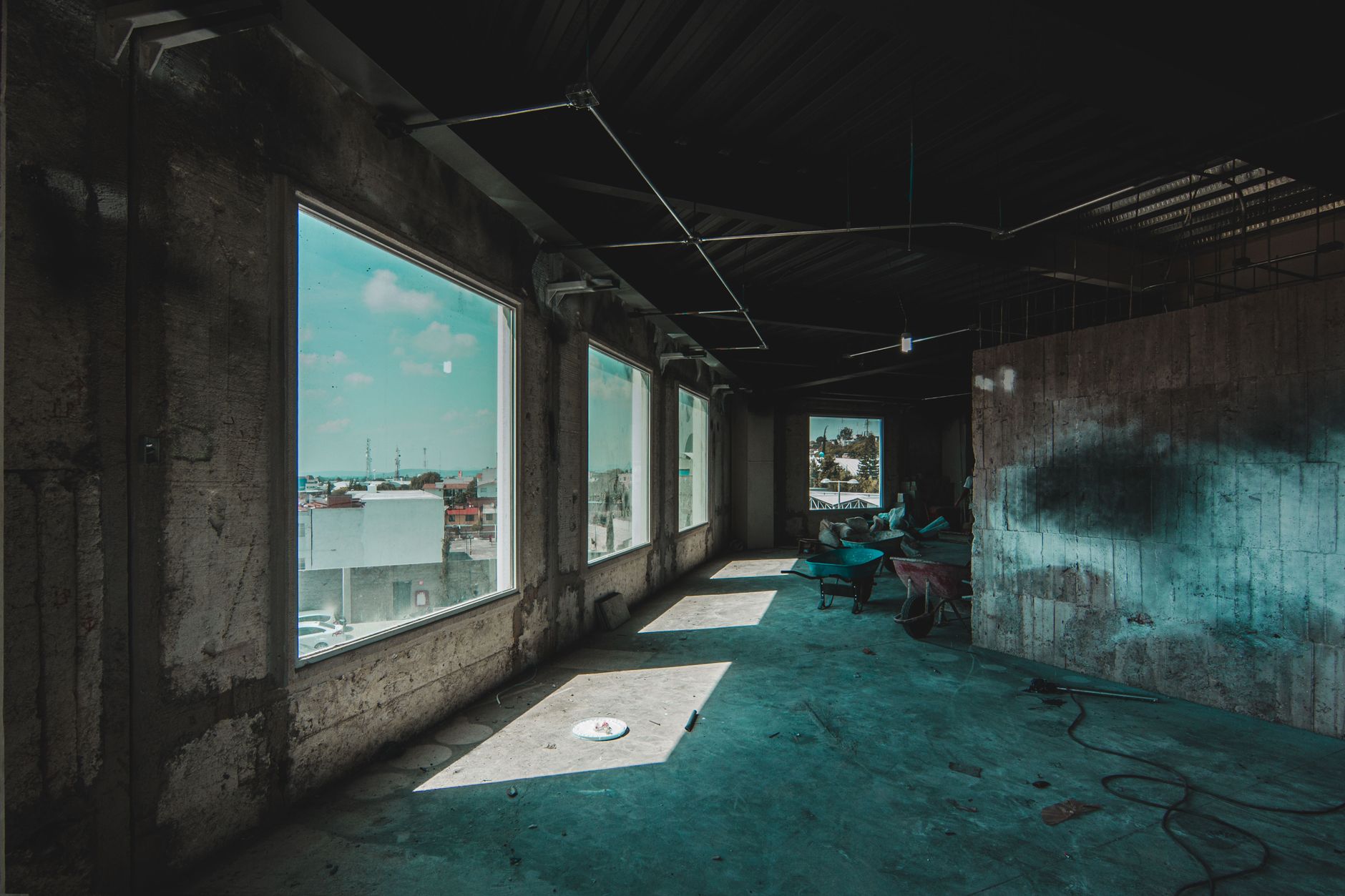
Between 2024 and 2025, our analysts monitored at least 14 condominium projects in Phuket where the developer required more than 50% of the unit price before the structural frame had been completed. In three of those cases, buyers from Europe incurred measurable financial losses. Below is our anonymised analysis of those transactions, including the warning signals we identified, the cost of each mistake, and the conclusions our team drew from the data.
The problem is concentrated in off-plan projects in Kamala, Bang Tao, and Layan, where entry prices (1.8 to 4.5 million THB for a studio or one-bedroom unit) attract buyers looking for a lower capital threshold. An aggressive payment schedule is not illegal in itself, but in our assessment it is one of the most reliable indicators of a developer's liquidity risk.
Quick answer
- A standard payment schedule from a financially stable Phuket developer in 2026 runs 30/70 or 40/60: a reservation deposit plus construction-stage instalments, with the balance due on handover.
- Based on our estimates, roughly 22-25% of off-plan projects in Phuket priced below 5 million THB use schedules that front-load more than 50% of the purchase price before the shell structure is complete.
- A buyer who has paid more than 60% of the unit price before foundations are poured statistically recovers 5-15% of that amount in the event of developer insolvency, based on Thai bankruptcy proceedings from 2022 to 2025.
- On Koh Samui the problem is smaller in scale but present in Bophut and Maenam, where some developers operate as special-purpose vehicles (SPVs) with minimal registered capital.
- Thailand has no statutory buyer-deposit protection scheme for foreign property purchasers. The payment schedule itself is therefore the primary risk-management tool available to the buyer.
- Based on our estimates, a foreign buyer who loses a deposit in a Phuket off-plan project typically incurs an additional 180,000-250,000 THB in legal fees and recovery attempts.
Options and scenarios
Case 1 - condominium project in Kamala, 2024
Starting position: A buyer from Central Europe signed a contract for a 34 sq m one-bedroom unit priced at 2.95 million THB. The agreed schedule was: 20% on signing, 30% within 60 days, 30% after 120 days, and 20% on handover. Promised completion: 18 months.
The mistake: The buyer transferred a total of 80% of the purchase price (2.36 million THB) within four months. At the time of the second transfer, the site contained only a fence and a sales container. The building permit (Ror Sor 4) was not issued until two months after the first instalment was collected.
Warning signals we observed:
- No building permit in place on the date of contract signing.
- The developer entity was registered 11 months before sales launched, with registered capital of 2 million THB against a declared project value of over 180 million THB.
- No previously completed projects on record.
Cost of the mistake: Construction halted after 10 months at the second floor of a planned eight-storey building. As of Q1 2026, the buyer has not recovered any funds. Estimated loss: 2.36 million THB plus approximately 180,000 THB in legal costs.
Case 2 - pool villa in Layan, 2023-2024
Starting position: A buyer contracted a three-bedroom pool villa priced at 9.8 million THB. The schedule on paper appeared reasonable: 30% reservation, 20% after foundations, 20% after roofing, and 30% on handover. However, the contract contained an accelerated-payment clause.
The mistake: The clause permitted the developer to demand the next instalment early 'in the event of accelerated construction progress.' The developer invoiced the 'post-roofing' tranche just six weeks after the foundation stage, when only structural columns were in place. The buyer paid, fearing forfeiture of earlier instalments.
Warning signals we observed:
- An accelerated-payment clause with no symmetrical penalty on the developer side for delays.
- No independent building inspector engaged to verify milestone completion.
- The Chanote (land title) remained in the name of a private individual rather than the project company.
Cost of the mistake: The buyer paid 70% of the purchase price (6.86 million THB) at a construction stage that in our assessment corresponded to roughly 35% of actual work completed. The villa was eventually delivered 14 months late. No capital loss occurred, but the opportunity cost from missed rental income is estimated at 420,000-560,000 THB across the 2024/2025 high season.
Case 3 - studio unit in Bophut, Koh Samui, 2024
Starting position: A buyer contracted a 28 sq m studio in a 24-unit project priced at 1.85 million THB. The payment schedule was 50% on signing, 50% on handover.
The mistake: A 50/50 split can appear balanced, but in practice the buyer transferred 925,000 THB to the developer's account before any earthwork had begun. The project also lacked an approved Environmental Impact Assessment (EIA), which is a regulatory requirement in this part of Koh Samui given the slope gradient of the site.
Warning signals we observed:
- No EIA approval for a hillside project at an elevation above 80 metres.
- Marketing materials depicted sea views that would require the removal of protected vegetation.
- No references or testimonials from buyers of the developer's completed projects.
Cost of the mistake: The project was suspended by administrative order. As of Q1 2026, the buyer is engaged in legal proceedings to recover the deposit. Estimated legal costs: 180,000-250,000 THB.
Comparison table
| Parameter | Case 1 - Kamala | Case 2 - Layan | Case 3 - Bophut |
|---|---|---|---|
| Property type | 1-bed condo, 34 sq m | 3-bed pool villa | Studio, 28 sq m |
| Price (THB) | 2,950,000 | 9,800,000 | 1,850,000 |
| Paid before completion (%) | 80% | 70% | 50% |
| Paid before completion (THB) | 2,360,000 | 6,860,000 | 925,000 |
| Actual build stage at time of payment | Fence and site container | Structural columns only | No earthwork begun |
| Building permit status | None on signing date | Permit held, no independent oversight | No EIA approved |
| Estimated loss (THB) | 2,360,000 plus legal costs | 420,000-560,000 in lost rental income | 925,000 plus up to 250,000 legal costs |
| Status as of Q1 2026 | Construction stalled | Delivered 14 months late | Legal proceedings ongoing |
Risks and mistakes
Drawing on these three cases and our broader market monitoring, we identify five measurable red flags in developer payment schedules.
1. More than 30% of the purchase price required before the building permit (Ror Sor 4 or Ror Sor 5) is in place. Verifying permit status takes a qualified lawyer one to two working days and typically costs 5,000-15,000 THB. If a developer declines to produce the document, that single fact is sufficient cause to pause.
2. Developer registered capital below 10% of the stated project value. A DBD (Department of Business Development) company search is free at www.dbd.go.th. A company with 2 million THB in capital constructing a 180 million THB project is financing construction entirely from buyer deposits.
3. No verifiable record of previously completed and handed-over projects. Our team verifies developer track record through physical site visits to prior projects and direct conversations with property managers on site.
4. Accelerated-payment clauses without a symmetrical developer penalty for delays. In standard Thai market practice, the developer delay penalty is 0.01% per day of the amount paid. A contract that omits this provision leaves the buyer without leverage.
5. Payment tranches linked to calendar dates rather than verifiable construction milestones. Credible contracts tie each instalment to a specific, inspectable milestone: foundation pour, structural frame, roof, MEP installation, and regulatory sign-off.
FAQ
What payment schedule is standard for Phuket developers in 2026?
The most common structure from verified developers is 30/70 or 40/60, with the larger share due on handover. Some developers split the construction portion into three or four tranches tied to specific milestones, but the total paid before handover rarely exceeds 40-50% with reputable firms.
How can a foreign buyer verify a Phuket developer's financial standing?
The DBD register (www.dbd.go.th) provides registered capital, shareholder structure, and filed financials at no cost. A second step is confirming that the developer has completed and occupied prior projects. Our analysts verify this through physical site visits rather than relying on marketing materials.
Does Thailand provide any protection for buyer deposits in property purchases?
There is no statutory deposit-protection scheme for foreign property buyers in Thailand. The primary protection available is the contractual language itself, supported where possible by registering a caveat against the land title at the Land Office. In practice, developers rarely accept such a caveat during the sales process.
What should a buyer do if a Phuket developer demands an early payment tranche?
We recommend commissioning an independent structural survey to confirm actual construction progress. The cost is typically 8,000-20,000 THB depending on project size. If the build stage does not match the milestone described in the contract, the buyer has contractual grounds to withhold the payment until it does.
How much does it cost to pursue recovery from an insolvent developer in Thailand?
A civil claim filed in the relevant provincial court typically takes 12 to 36 months to resolve. Legal costs generally run 150,000-400,000 THB. Based on market data from Thai insolvency proceedings between 2022 and 2025, buyers recover on average 5-15% of paid capital when the developer is insolvent.
Is the aggressive payment schedule problem present on Koh Samui as well?
Yes, though at a smaller scale. Our monitoring focuses on Bophut and Maenam, where some developers structure projects as SPVs with minimal registered capital. The lower volume of off-plan launches on Koh Samui means the absolute number of affected projects is smaller, but the structural risk is the same.
How should a foreign buyer transfer funds for a Thai property purchase?
Funds for a condominium purchase must be wired from abroad in foreign currency into a Thai bank account, with the payment reference clearly stating 'for purchase of condominium.' The receiving bank will issue a Foreign Exchange Transaction (FET) form, which is a mandatory document for registering ownership at the Land Office. A direct international transfer to the developer's Thai account is permissible, but the payment description must be precise to ensure the FET is issued correctly.
What contract clauses matter most before making the first payment?
The key provisions are: instalment tranches tied to construction milestones (not calendar dates), a developer delay penalty of at least 0.01% per day, a detailed material and area specification, a handover deadline with a maximum six-month tolerance, and a refund clause in the event the developer fails to obtain the occupancy permit (Ror Sor 6).
What would our team have recommended before these transactions?
In all three cases the core error was transferring too large a share of the purchase price before a verifiable build milestone was reached. Our pre-transaction recommendations would have been: verify the building permit first (cost: 5,000-15,000 THB, timeframe: one to two days); run a DBD company check (free or up to 3,000 THB for a full report); negotiate a 30/70 or at most 40/60 schedule with milestone-linked tranches confirmed by independent inspection; insert a symmetrical delay penalty; and walk away if the developer refused to modify the schedule. As of 2026, more than 120 active condominium projects are operating in Phuket - alternatives exist.
An aggressive payment schedule is a measurable risk indicator. When a developer requires 50-80% of the purchase price before the shell structure is complete, the buyer is effectively absorbing the construction-phase financial risk. For a buyer based overseas who cannot monitor the build daily, that is a risk that is disproportionate to the potential return.
Researching property in Phuket or Koh Samui? Get in touch - our analysts will prepare a data brief for your shortlisted location.