

Phuket
Rawai
The island's southern cape: a seafront promenade with a seafood market, boat piers to the nearby islands and Phuket's strongest long-term rental market.
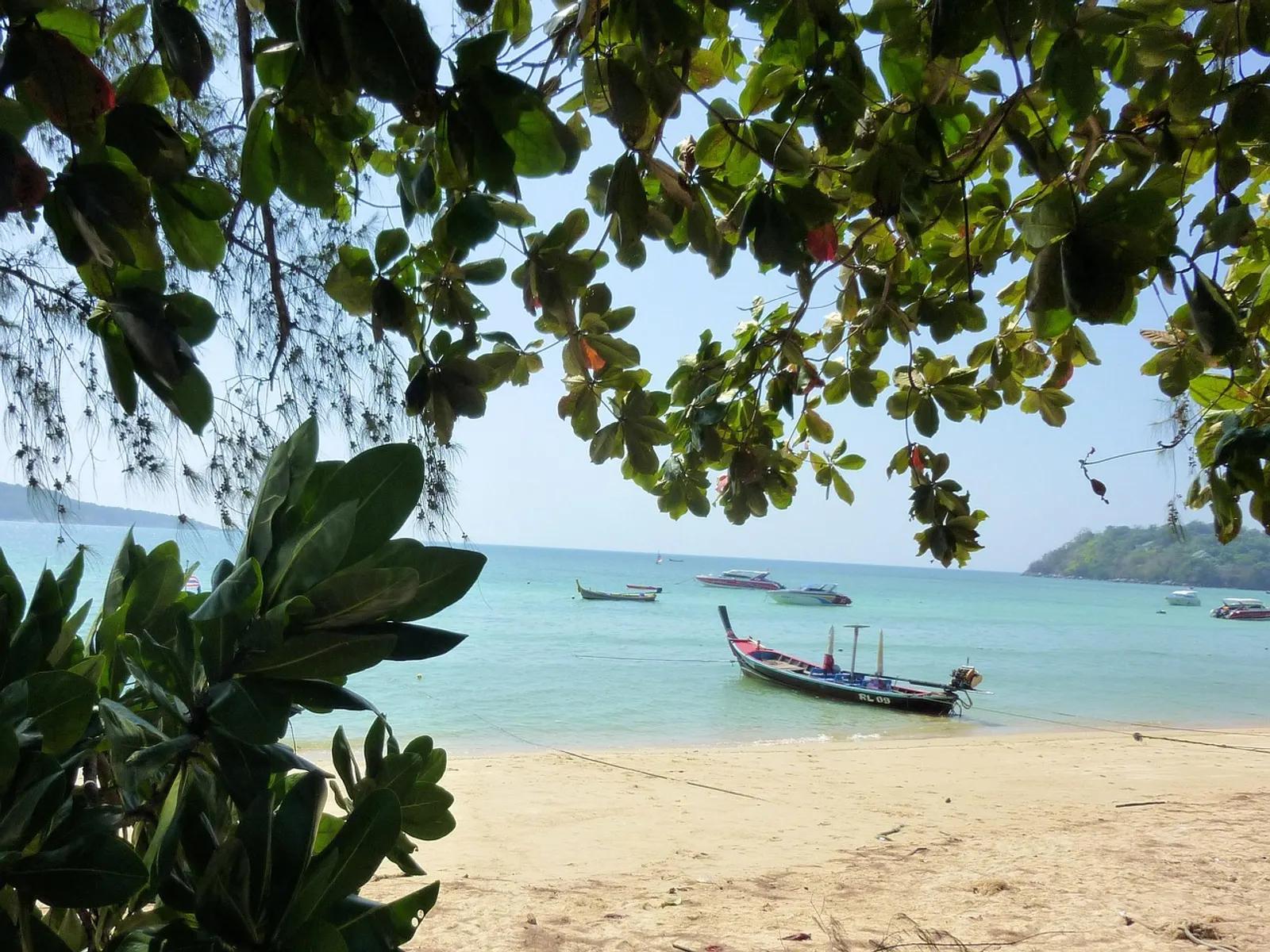
The district in brief
- Character
- The most lived-in part of the island: houses and condos scattered through greenery, with a community of year-round residents instead of hotel complexes.
- Beach
- Rawai beach serves boats, not swimmers - mudflats emerge at low tide; for a swim you drive to neighbouring Nai Harn or Ya Nui, a few minutes over the hill.
- Who buys and rents here
- Buyers: investors targeting long-term rentals and people planning to live here part of the year. Tenants: residents, families and remote workers - contracts in months, not nights.
- Infrastructure
- The seafood market and dining along the promenade, supermarkets and schools towards Chalong, boat piers for Coral Island and Racha; the airport is at the far end of the island.
- Our investment thesis
- A lower entry point than the west coast and year-round tenant demand - returns here are built on stability, not on the seasonal peak.
Rent levels
- One-bedroom apartment
- 42 000THB / month
- Two-bedroom apartment
- 73 500THB / month
- Three-bedroom villa
- 150 000THB / month
- Long-term rental occupancy
- 90%
- Short-term rental occupancy
- 55%
- Value growth year over year
- +6%
Source: rental operators' data, Phuket/Samui
Our analysis of the district
We analyse Rawai differently from the rest of the island, because this market does not live off hotel tourism. Phuket's southern cape - from the seafood-market promenade to the hills towards Promthep Cape - is home to the island's densest community of year-round residents: families, remote workers, people of the sea. That translates directly into demand structure: Rawai runs on rental contracts measured in months and years rather than nights, and the stability of that demand is the axis of our thesis for the district.
One thing the brochures omit must be said upfront: Rawai beach is not for swimming. It is a historic anchorage - longtails and speedboats to Coral Island, Racha and the nearby islets moor here, and low tide exposes wide mudflats. For a swim you drive a few minutes over the hill to Nai Harn or the small Ya Nui cove. Anyone buying in Rawai for a 'beach at the doorstep' is buying the wrong district - and we tell clients so plainly.
In exchange, Rawai offers an everyday life that resort zones lack: the fish market, dozens of independent restaurants, schools, sports clubs and a service base stretching towards Chalong. Entry prices - for land and condos alike - remain clearly below the west coast, though the gap narrows with every year of development.
The trade-offs: the airport is an hour away or more, the Chalong roundabout remains the bottleneck of the entire south, and build quality is uneven - solid projects rise next to developments built for a quick sale. Developer verification and workmanship checks carry more weight here than anywhere else on the island.
Our investment thesis: Rawai is a market of income, not prestige. What you buy here is the price-to-rent ratio and demand that resists seasonality; capital growth is a derivative of the whole south's development, not of an address brand. We monitor condo projects within walking distance of the promenade and those along the road to Nai Harn - they combine both of the district's strengths.
Working with Rawai listings day to day, we pay particular attention to two things: how flat inland plots drain after heavy rain, and the actual rents in signed long-term contracts rather than advertised rates. The gap between the asking rate and the signed rate can be wider here than anywhere on the island - and it is that gap, not the purchase price, that decides the real return.
Projects we monitor here
We currently present no verified project in this district. We monitor the local market continuously - ask us what is in the pipeline.
What next
Considering a purchase in this district?
Tell us about your investment goal and we will prepare a breakdown of projects in this location - with parameters, running costs and the risks we see on the ground.