

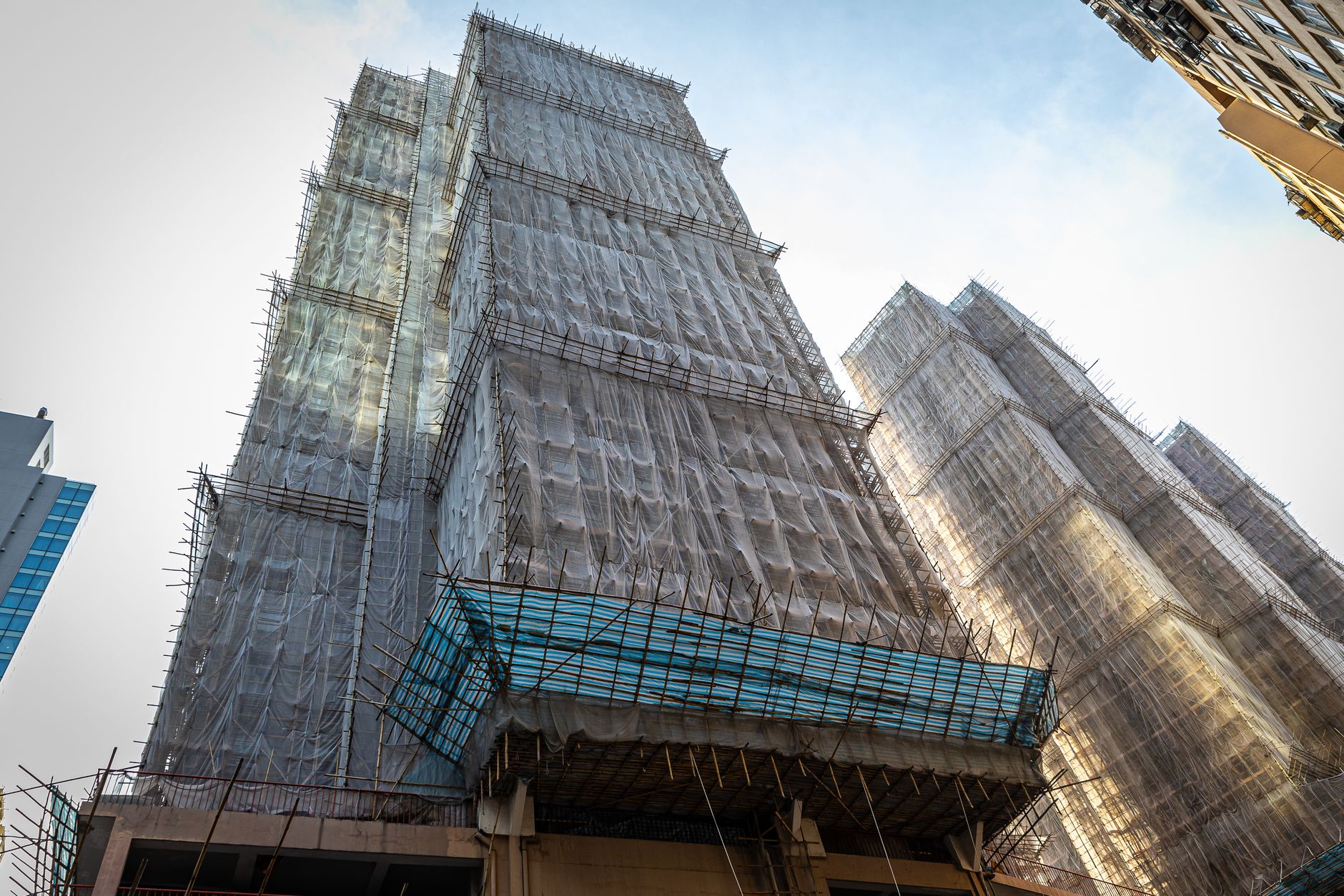
In Q1 2026, our analysts are actively monitoring at least 14 condominium and villa projects in Phuket where the developer requires more than 50% of the purchase price before the foundations are complete. For an overseas buyer transferring funds across multiple tranches over an 18-to-24-month window, such a schedule creates a compounded exposure: construction risk layered on top of currency risk. Below we present an anonymised case analysis alongside the criteria our team applies when evaluating whether a payment schedule is structurally sound.
Across our 2024-2026 data sets, we have recorded seven instances in which buyers from outside Thailand lost between 340,000 THB and 2.1 million THB (approximately 38,000-235,000 USD at Q1 2026 exchange rates) solely as a result of front-loading payments to a developer who subsequently delayed construction or revised the project specification.
Quick answer
- A safe off-plan payment schedule in Phuket caps the buyer's exposure at 30-35% of the purchase price until the structure reaches shell-and-core stage
- Based on our estimates, 40-45% of off-plan projects in Bang Tao, Layan, and Kamala in 2026 operate under schedules that collect more than 50% from the buyer before the midpoint of construction
- The average delivery delay across Phuket off-plan projects as of Q1 2026 stands at 7.4 months relative to the developer's stated completion date
- Currency volatility for common transfer pairs against the Thai baht reached 8.2% annualised in 2025, adding a meaningful cost dimension to phased payment schedules
- Thai property law does not provide a standard escrow mechanism that protects foreign buyers' staged payments; contractual clauses are the primary protection instrument
- When a buyer exits a contract tied to an aggressive schedule, the contractual penalty typically retained by the developer ranges from 15-25% of the total amount already paid
Options and scenarios
Case under review: condominium unit in the Kamala area, contract price 6.2 million THB
In 2024, an overseas buyer acquired an off-plan condominium unit in the Kamala area. The contract price was 6.2 million THB. The developer presented a payment schedule spread across 18 months.
Payment schedule as imposed by the developer:
- Reservation: 200,000 THB (3.2%)
- Contract signing (month 1): 1,860,000 THB (30%)
- Foundation completion (month 4): 1,240,000 THB (20%)
- Structural completion (month 10): 1,240,000 THB (20%)
- Key handover (month 18): 1,660,000 THB (26.8%)
In practice, the buyer had transferred 53.2% of the purchase price (3,300,000 THB) by month four, at a point when the site showed only completed foundations and a partial ground-floor structure.
The error made: The buyer accepted the schedule without negotiation and without tying each payment tranche to a concrete, independently verifiable construction milestone. No independent inspection clause was requested as a condition for releasing subsequent tranches.
What followed: At month eight the developer announced a 'schedule shift of six months' citing subcontractor issues. By month 14, work had still not reached structural completion. The buyer sought to exit the contract but found that the contractual clause allowed the developer to retain 20% of all amounts paid as a liquidated damages provision.
Financial cost of the error:
- Contractual penalty retained by developer: 660,000 THB (approx. 18,500 USD)
- Currency loss between payment dates and refund date, on the portion returned: approx. 4.3% of the transferred sum
- Legal fees with a Phuket-based law firm: 85,000 THB (approx. 2,400 USD)
- Estimated total cost of the error: approximately 25,000-26,000 USD at Q1 2026 rates
Alternative scenario: what our analysts would have recommended before signing
Had we been consulted before contract execution, our recommendation would have covered four points:
- Negotiate the payment structure toward a 20/20/20/20/20 or 25/25/25/25 model, with each tranche explicitly tied to a defined construction milestone
- Insert an independent inspection clause making each payment conditional on written confirmation of progress from a qualified, buyer-appointed structural inspector
- Verify the developer's track record by reviewing completed-project records at the Land Department, and reviewing the developer entity's financial filings at the Department of Business Development (DBD, dbd.go.th)
- Negotiate a full-refund clause granting the buyer automatic right to recover 100% of paid amounts, without penalty deductions, if the developer's delay exceeds 90 days relative to any contractual milestone
Warning signals that were present before signing
The following red flags were identifiable from public records and a site visit conducted before contract signing:
- The developer had no completed project in Phuket in its portfolio
- The developer entity had been registered only 11 months before the sales launch
- The Construction Permit covered only Phase 1 of a planned three-phase project
- Marketing materials depicted a beach club and access road for which no permits had been obtained
- The payment schedule concentrated more than 50% of the contract price in the first six months
Comparison table
| Parameter | Aggressive schedule | Balanced schedule | Cautious schedule |
|---|---|---|---|
| Payment by foundation stage | 50-60% of price | 30-35% of price | 20-25% of price |
| Tranches tied to milestones | Absent or vague | Partial | Full, with inspection clause |
| Refund clause on delay | Absent or 15-25% penalty | Partial refund after 90 days | Full refund after 60-90 days |
| Typical loss exposure (estimates) | 15-30% of amount paid | 5-10% of amount paid | Below 5% of amount paid |
| Prevalence in Phuket (2026) | 40-45% of off-plan projects | 35-40% of projects | 15-20% of projects |
| Negotiability | Low - developer resists changes | Moderate | High - developer open to terms |
| Typical areas | Kamala, Surin (smaller projects) | Bang Tao, Layan | Rawai, Nai Harn (established developers) |
Risks and mistakes
Quantifiable red flags: the criteria we apply in every project review
- More than 40% of the purchase price required before shell-and-core completion. Our data show this threshold marks a non-linear increase in loss probability
- Developer entity registered less than 24 months before the sales launch. We verify registration date and corporate history via the DBD database (dbd.go.th). Under two years of operating history is a heightened-risk indicator
- No completed project in the developer's portfolio. We verify this physically on the ground, not from marketing renders or brochures
- Construction Permit covering only a subset of the phases on offer. A full permit should encompass all phases currently being sold
- No project-dedicated bank account separated from the developer's operating account. While not a statutory requirement in Thailand, professionally managed Phuket developers routinely apply this practice as a governance measure
- Non-refundable deposit exceeding 5% of the contract price. Market convention for a booking fee in Phuket is 1-3% of unit price; anything above 5% on a non-refundable basis is a structural warning sign
Currency and legal risk for buyers transferring from abroad
- Currency exposure: On an 18-to-24-month payment schedule, exchange rate movements can shift the effective cost of the property by 6-10% in the buyer's home currency. We monitor reference rates and recommend that buyers consider currency hedging strategies for larger transfers
- Tax reporting obligations: Buyers who are tax residents in their home country should seek advice on reporting requirements for foreign transactions and accounts, as well as capital gains obligations on resale
- Foreign Exchange Transaction Form (FETF): Foreign nationals purchasing a condominium unit under the freehold foreign quota (up to 49% of total building floor area) must transfer the purchase consideration in a foreign currency from abroad and obtain a FETF from the receiving Thai bank. Without this document, freehold title registration at the Land Department cannot proceed
FAQ
What does a safe off-plan payment schedule in Phuket look like?
A structurally safe schedule limits the buyer's total exposure to 20-25% of the purchase price until foundations are complete, and to no more than 50% before the structure reaches shell-and-core stage. Each tranche should be released only against a verified, independently confirmed construction milestone.
Can I negotiate the payment schedule with a Phuket developer?
In most cases, yes. Based on our 2026 observations, approximately 60% of active Phuket developers are open to schedule negotiation, particularly on units priced above 8 million THB. The most effective lever is requesting that each tranche be linked to a specific, inspectable milestone rather than a calendar date.
What are the financial consequences if a Phuket developer delays construction?
Without protective clauses in the contract, a buyer who wants to exit an off-plan agreement faces a penalty deduction of 15-25% of all amounts already paid. This loss compounds if the buyer also absorbs an unfavourable exchange rate movement between initial payment dates and any refund date.
How do we verify a developer's credibility before paying?
Our standard verification process covers four steps: checking the entity's registration date and financial filings in the DBD database (dbd.go.th); confirming the Construction Permit scope at the local municipal office; physically visiting the developer's previously completed projects; and reviewing title records at the Phuket Land Department.
Is there any buyer-payment protection mechanism in Thailand for off-plan purchases?
Thai law does not provide a standard third-party payment protection structure for foreign off-plan buyers. The primary protection instrument is a well-drafted sale and purchase agreement containing milestone-linked payment conditions, a full-refund clause on developer delay, and a capped or zero penalty for buyer exit in defined circumstances.
What is the market-standard booking fee for off-plan property in Phuket in 2026?
As of 2026, the market convention for a non-refundable reservation fee in Phuket is 100,000-200,000 THB, representing approximately 1-3% of the unit price. We treat any non-refundable deposit exceeding 5% of the contract price as a red flag during our project screening process.
How does currency volatility affect the real cost of buying off-plan in Phuket?
On an 18-to-24-month payment schedule, exchange rate fluctuations between the buyer's home currency and the Thai baht can alter the effective acquisition cost by 6-10%. In 2025, annualised volatility for common transfer currency pairs against the baht reached approximately 8.2%. We recommend buyers consider currency hedging instruments for larger staged commitments.
What documents should a buyer review before signing an off-plan contract in Phuket?
The key documents are: the Construction Permit (confirming all phases on offer are covered); the land title deed (Chanote) confirming freehold ownership by the developer entity; the developer's company registration certificate from DBD; an Environmental Impact Assessment (EIA) for projects exceeding 80 units; and the full draft sale and purchase agreement including the payment schedule and all penalty and refund clauses.
Researching property in Phuket or Koh Samui? Get in touch - our analysts will prepare a data brief for your shortlisted location.