

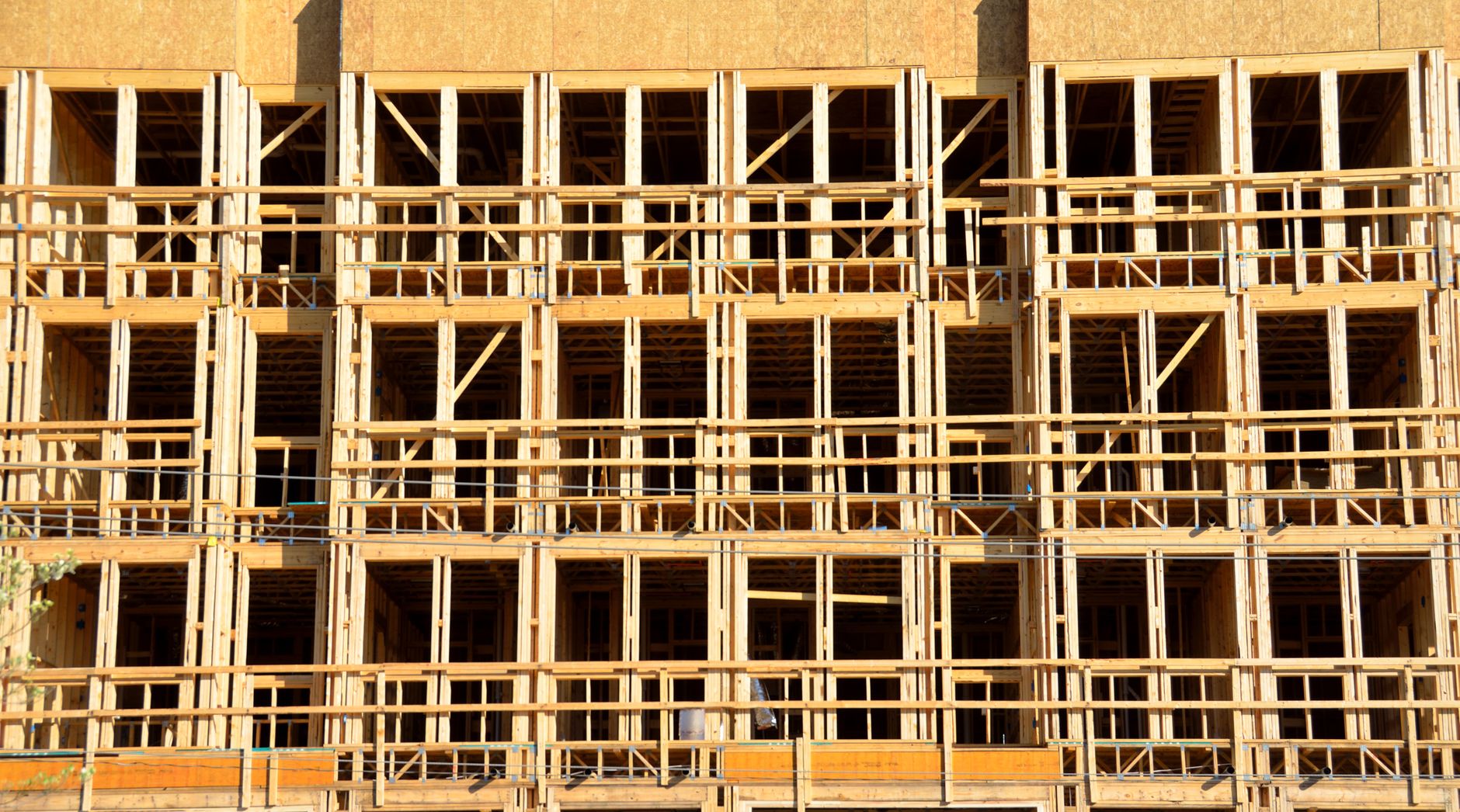
In Q1 2026, our analysts documented a case in which a European investor lost the equivalent of approximately 1.4 million THB on an off-plan condominium purchase in the Bang Tao area of Phuket. The transaction is representative of several overlapping error categories that we track regularly, which is why we have subjected it to a detailed breakdown. The unit was 54 sq m, priced at 6.2 million THB, and came with a developer-guaranteed rental return of 7% per annum for five years. Before construction was complete, the buyer had transferred a total of 2.8 million THB to the developer, including a 500,000 THB reservation deposit and three subsequent milestone-linked instalments.
Quick answer
- The buyer transferred 2.8 million THB (45% of the purchase price) to a developer who did not complete the project on schedule
- As of April 2026, the project is 14 months behind its original delivery date
- The developer did not hold a valid EIA (Environmental Impact Assessment) at the point of sales launch
- Promised road infrastructure adjacent to the site (widening of the Soi Bang Tao access road) had not been approved by the local Tambon authority
- After partial fund recovery and accounting for legal fees and currency movement, the buyer's net loss is estimated at 1.4 million THB
- All material warning signs were identifiable at the pre-transaction due diligence stage
Options and scenarios
Starting position - what the data showed
The project was located off Soi Bang Tao 3, approximately 1.2 km from the beach. The developer was a Thai-registered company with a registered capital of 2 million THB and no prior condominium project experience. Its track record consisted of two smaller villa developments in the Thalang area, one of which was delivered with a 12-month delay.
The buyer signed a reservation agreement in July 2024 and a Sale and Purchase Agreement (SPA) in September 2024. The payment schedule comprised five tranches tied to construction milestones: foundation, structural frame, shell completion, fit-out and mechanical/electrical installation, and final handover.
Scenario A - if full due diligence had been commissioned
Had the buyer instructed an independent property lawyer before paying the reservation deposit, the review would have surfaced three critical facts.
First, the developer's registered capital of 2 million THB represented approximately 0.3% of the project's declared total value (estimated at around 650 million THB across 96 units). Second, the Construction Permit issued by the local office in Cherng Talay covered a single building of 40 units, whereas marketing materials advertised 96 units across three buildings. Third, the EIA report - mandatory for developments exceeding 80 units - had not yet been filed at the time of sales launch.
In this scenario, a competent legal review costing 35,000-60,000 THB over two to three weeks would have produced a clear 'do not proceed' recommendation. Net cost: the review fee only.
Scenario B - what actually happened
The buyer based the purchase decision on marketing materials, a site visit to an empty plot, and a presentation held at a showroom the developer was renting in the Laguna area. No independent legal verification was commissioned. The buyer paid the reservation deposit and three subsequent instalments before raising concerns about delays. By January 2026, 14 months after the scheduled delivery date, the building had reached the second floor of a planned five-storey structure.
Scenario C - the fund recovery attempt
The buyer engaged a Phuket property law firm in February 2026. The firm established two compounding problems within the SPA. The delay clause permitted the developer to extend the delivery deadline by up to 24 months without financial penalty. The refund clause capped the developer's liability at 50% of payments received, net of administrative costs defined unilaterally by the developer.
Based on our estimates, after deducting legal fees of approximately 250,000 THB and accounting for adverse currency movement between the buyer's home currency and THB over the 2024-2026 period, the realistic net loss stands at approximately 1.4 million THB. Partial recovery of around 1.15 million THB remains in dispute as of Q2 2026.
Comparison table
| Parameter | Scenario A: Full due diligence | Scenario B: No verification (actual) | Scenario C: Fund recovery |
|---|---|---|---|
| Legal review cost | 35,000-60,000 THB | 0 THB | 250,000 THB |
| Amount paid to developer | 0 THB (withdrew after review) | 2,800,000 THB | 2,800,000 THB |
| Amount recovered | n/a | 0 THB (frozen, in dispute) | approx. 1,150,000 THB (estimated) |
| Net loss | 35,000-60,000 THB (review fee only) | 2,800,000 THB (frozen) | approx. 1,400,000 THB |
| Time to resolution | 2-3 weeks | open-ended | 8-18 months |
| Currency risk exposure | minimal | high | high |
Risks and mistakes
Mistake 1 - failing to verify the construction permit
The Construction Permit (Thai: ใบอนุญาตก่อสร้าง) is a public document. Any buyer can request a copy directly from the developer, or apply to the relevant local office. In this case, the permit number on file referenced a 40-unit building, not the 96-unit scheme shown in the sales brochure.
A discrepancy between the unit count in the construction permit and the unit count in marketing materials is one of the most consistently observed warning signals in our Phuket data set.
Measurable red flag: if the unit count in the construction permit differs from the marketed unit count by more than 10%, do not proceed with any payment until the developer provides a written explanation backed by supplementary documentation.
Mistake 2 - an overly front-loaded payment schedule
The buyer paid 45% of the purchase price before the building reached shell-complete stage. In our monitoring of established Phuket developers, the standard off-plan payment structure requires no more than 30-35% before construction is complete, with the largest single tranche (40-50%) falling due at title transfer at the Land Office.
Measurable red flag: any schedule requiring more than 40% of the purchase price before the Chanote (title deed) is transferred to the buyer warrants scrutiny as a potential sign of developer liquidity pressure.
Mistake 3 - undercapitalised developer
A registered capital of 2 million THB against a project with a declared value exceeding 600 million THB means the developer was financing construction almost entirely from buyer deposits. There is no financial buffer if sales velocity slows.
Registered capital and annual financial statements for any Thai company are publicly accessible through the Department of Business Development (DBD) portal at datawarehouse.dbd.go.th. Verification takes under 30 minutes.
Measurable red flag: if the developer's registered capital is below 5% of the project's declared total value, treat the investment as carrying elevated financial risk.
Mistake 4 - buying on promised infrastructure
The developer's presentation featured renders showing a widened access road and a retail centre 300 m from the site. A direct check with the Tambon OrBorTor Cherng Talay office confirmed that the road widening project does not appear in the 2025-2027 budget plan. The retail centre existed only as a preliminary concept by a separate investor, with no building permit application on file.
We consistently advise treating any infrastructure that is not already built or formally approved as scenery rather than fact.
Mistake 5 - accepting a guaranteed yield without pressure-testing the mechanics
A guaranteed rental return of 7% per annum over five years sounds straightforward. Based on our data for Q1 2026, the average gross rental yield for condominiums in the Bang Tao, Surin and Kamala corridors sits at 4.5-5.5% gross, or approximately 3.2-4.0% net after management fees, maintenance, and applicable taxes.
For a developer to honour a 7% guarantee at market rents, it would need to subsidise the shortfall from its own reserves, or it would need to have inflated the unit purchase price by at least 25-30% to pre-fund the guarantee. In either case, the buyer is ultimately bearing the cost.
FAQ
How do I verify a developer's construction permit in Phuket?
In the Bang Tao and Cherng Talay area, construction permits are issued by the local OrBorTor Cherng Talay administrative office. Request a copy directly from the developer, or approach the office independently. The permit states the project reference number, permitted number of units, building height, and expiry date. Cross-reference all figures against the developer's sales materials before paying any deposit.
What is the standard off-plan payment structure for condominiums in Thailand?
In established Phuket projects, the typical structure requires 25-35% of the purchase price before construction is complete, with the principal tranche of 40-50% due at title transfer. Payment schedules requiring more than 40% before building completion may indicate that the developer is relying on buyer deposits to fund ongoing construction.
How do I check the registered capital of a Thai developer company?
Thailand's Department of Business Development (DBD) makes company registration data publicly available at datawarehouse.dbd.go.th. Search by company name or registration number to view registered capital, registration date, shareholder structure, and annual financial filings. This check costs nothing and takes roughly 20-30 minutes.
Is a guaranteed rental yield of 7% in Phuket realistic in 2026?
Based on our Q1 2026 data, average gross rental yields for condominiums in high-demand Phuket locations including Bang Tao, Surin and Kamala range from 4.5% to 5.5% gross per year. A guarantee of 7% or above should prompt direct questions about how the shortfall is funded. In most cases our analysts have reviewed, the gap is embedded in an inflated purchase price.
What should I do if my Phuket developer is significantly delayed?
Start by reading the SPA delay clauses carefully. Many agreements permit developer extensions of 12-24 months without triggering penalties or refund obligations. If the delay exceeds the contractual grace period, engage a Phuket-based property law firm immediately. Legal representation in construction-delay disputes typically costs between 150,000 and 350,000 THB depending on case complexity and the recovery route pursued.
What does off-plan due diligence cost in Phuket?
A full legal review covering land title, construction permits, EIA status, company registration, and SPA analysis costs between 35,000 and 80,000 THB in Phuket, depending on scope and firm. On a transaction valued at several million THB, this represents a fraction of one percent of the purchase price and typically takes two to three weeks.
Can a buyer recover payments from a developer in financial difficulty in Thailand?
Recovery depends on the SPA terms, the developer's financial position, and willingness to negotiate or litigate. Based on our observations of the Phuket market, full recovery from an insolvent developer is uncommon. Negotiated settlements returning 40-60% of amounts paid are the more frequently seen outcome.
Which Phuket areas carry the lowest developer risk in 2026?
In our monitoring, the lowest developer risk is concentrated in areas with established infrastructure and a track record of completed projects: Bang Tao within the Laguna zone, Kamala and Surin. That said, location is secondary to developer quality. An undercapitalised company operating in a prime district represents higher risk than a well-capitalised developer in a secondary location.
What are the five measurable criteria for vetting an off-plan developer?
Based on our analysis, we apply five thresholds: registered capital at or above 5% of total project value; pre-completion payments capped at 35% of the purchase price; a construction permit covering 100% of the units being sold; any guaranteed yield more than 2 percentage points above the market average requires a clear explanation of the funding mechanism; and a developer track record of at least two completed projects of comparable scale.
What would the Tajlandia.com team have recommended before the deposit was paid?
Our recommendation would have been unambiguous: do not transfer any funds until three documents have been independently reviewed - the construction permit, the EIA approval or formal confirmation that one is not required, and the developer's DBD financial filing. In this case, the permit-to-sales-material discrepancy (40 permitted units versus 96 marketed units) would have been an immediate disqualifying finding at a cost of 35,000-60,000 THB and three weeks of review time.
Researching property in Phuket or Koh Samui? Get in touch - our analysts will prepare a data brief for your shortlisted location.