
Two road infrastructure projects are actively reshaping access patterns across Phuket in Q1 2026. Our analysts are monitoring construction progress on the ground and tracking how reduced travel times between districts translate into land and property valuations within the influence corridors of both routes.
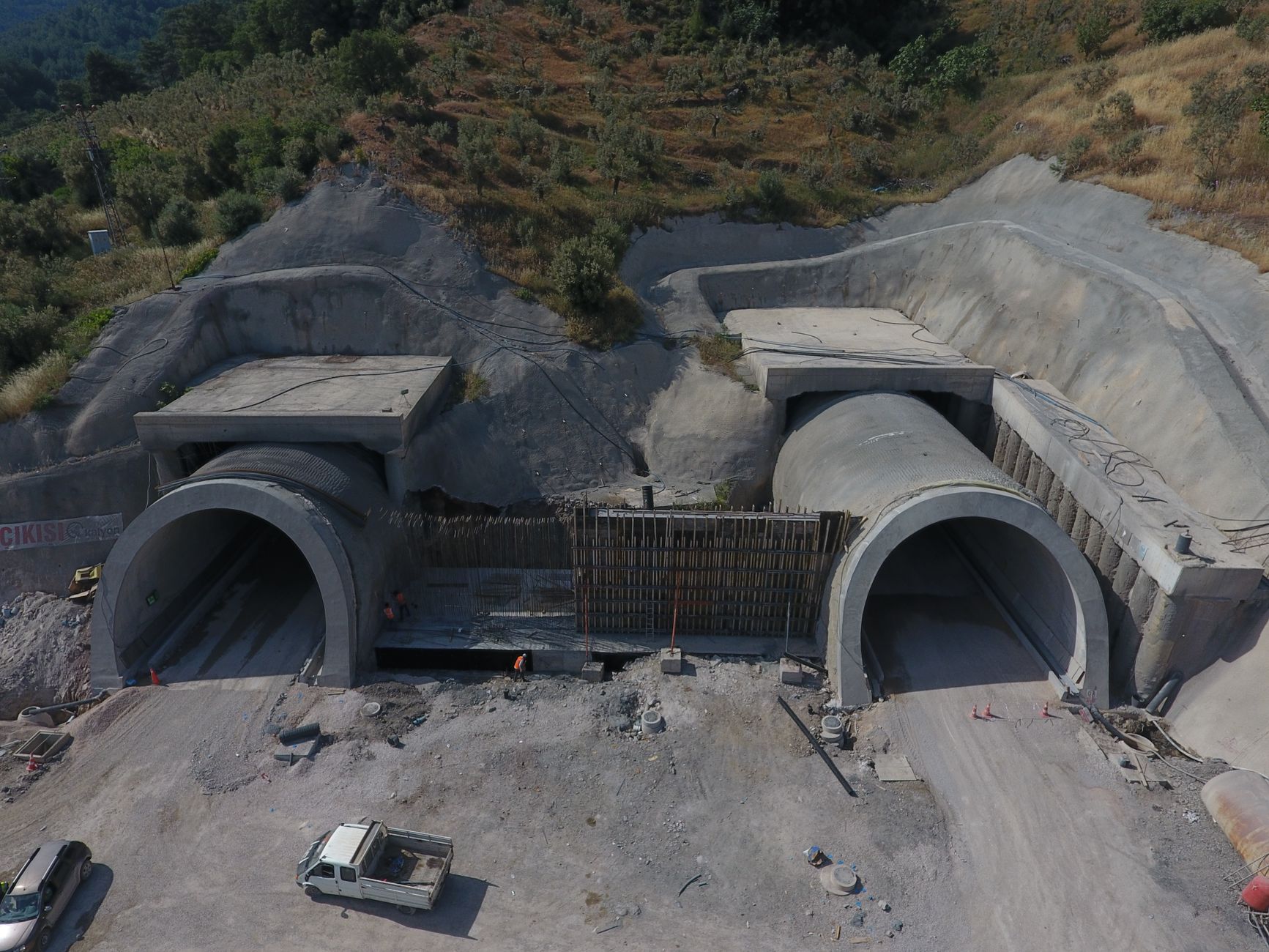
The Patong-Kathu Expressway (tunnel and elevated section, approximately 3.98 km) and the widening of Route 4027 connecting Kathu to the western coastline represent a combined estimated budget of over 14.6 billion THB. Based on our on-site observations, the tunnel section of the Patong-Kathu alignment has reached approximately 35-40% completion as of Q1 2026.
Quick answer
- The Patong-Kathu Expressway carries a budget of 14.17 billion THB, funded by Thailand's Department of Highways (DOH), with a planned completion date of 2028
- Route 4027 widening (Kathu to Kamala, approximately 8 km expanded to four lanes) carries an estimated budget of 450 million THB; earthworks began in Q4 2025
- DOH estimates indicate the Patong-to-airport journey will shorten from approximately 55 minutes to around 25 minutes once the tunnel opens
- Land within 2 km of the planned expressway interchange in the Kathu area has appreciated by an estimated 18-22% over the past 24 months, based on our transactional data sets
- Condominiums in Kamala and Kalim recorded median price growth of 12-15% year-on-year in 2025, partly reflecting the anticipated infrastructure effect
- Koh Samui has no comparable ring-road scheme; the primary road investment there is the widening of Route 4169 on the Nathon-Lipa Noi segment
Options and scenarios
Baseline scenario: expressway opens in 2028
The Department of Highways reconfirmed this timeline at a December 2025 briefing. Under this scenario, the Patong-Kathu tunnel opens in Q3 or Q4 2028. Our analysts expect residential land prices in Kathu and the northern edge of Patong to appreciate at 8-12% per year until opening, followed by a brief correction (a classic 'sell the news' pattern) before settling at a durably higher level.
Delayed scenario: completion pushed to 2029-2030
Phuket's infrastructure history gives legitimate grounds for this reading. The expressway concept was first discussed in 2011, and the construction contract was not signed until 2022. Based on our estimates, a delay of 12-18 months carries a probability of 30-35%. In this scenario, assets purchased at an infrastructure premium could underperform for two to three years relative to initial return assumptions.
Upside scenario: additional transport investment approved
In 2025, the Thai government announced a feasibility study for a Light Rail Transit (LRT) system on the airport-to-Chalong corridor. As of March 2026, we have verified that no contractor has been selected for that study. This project remains at the conceptual stage with no approved budget. If LRT is eventually approved, the synergy with the expressway could lift values along the Kathu-Rassada corridor by an additional 10-15% over a decade, but we do not apply that premium in any current valuation.
Comparison table
| Parameter | Patong-Kathu Expressway | Route 4027 (Kathu-Kamala) | LRT Airport-Chalong | Route 4169 Koh Samui |
|---|---|---|---|---|
| Status (2026) | Under construction, approx. 35-40% | Earthworks ongoing | Conceptual phase only | Widening design stage |
| Budget | 14.17 billion THB | approx. 450 million THB | No approved budget | approx. 200 million THB (estimate) |
| Funding source | DOH (central government) | DOH / OPEC Fund | None confirmed | DOH |
| Planned completion | 2028 | 2027 | 2033 at earliest | 2027-2028 |
| Route length | 3.98 km (tunnel + elevated) | approx. 8 km | approx. 60 km | approx. 12 km |
| Key districts in influence zone | Kathu, Patong, Kalim | Kamala, Kathu | Thalang, Kathu, Rassada, Chalong | Nathon, Lipa Noi |
| Estimated price impact within 2 km | +18-22% (already visible) | +8-12% (early stage) | Too early to estimate | +5-8% (early stage) |
| Delay risk | Moderate (30-35%) | Low | Very high | Moderate |
Risks and mistakes
Pricing a promise rather than physical concrete. This is the most consistent pattern we observe in Phuket land transactions. A buyer pays an infrastructure premium based on an announcement, construction slips by three to five years, and the expected return does not materialise on schedule. The LRT remains a concept without an approved budget, which is why we exclude any LRT premium from our current valuations.
Overstating the tunnel effect for premium quiet locations. The Patong-Kathu tunnel will primarily benefit districts with a direct connection to the new alignment. For buyers targeting low-density premium locations such as Layan or Nai Thon, this project has marginal relevance. The tunnel accelerates access to Patong's commercial centre, which is an advantage for short-term rental assets but largely neutral for high-end residential buyers seeking seclusion.
Compulsory purchase and land disputes along Route 4027. We are monitoring cases where the Kathu-Kamala widening requires acquisition of private land strips. This process in Thailand can be protracted and has historically caused timeline slippage on similar road projects.
Currency exposure on THB-denominated assets. As of March 2026, the THB/USD rate and broader baht trajectory matter for international investors calculating returns in their home currency. A baht appreciation of 5-7% over two years - a scenario currency analysts consider plausible given continued tourism growth - increases the acquisition cost for foreign buyers but also raises the foreign-currency value of held assets.
Setback zones and building restrictions near new roads. Proximity to a new expressway is an accessibility advantage, but land parcels adjacent to arterial routes are frequently subject to setback regulations or height and density restrictions under Thai land use rules. Our analysts verify current zoning status at the relevant Land Office before any location recommendation is issued.
FAQ
When is the Phuket ring road (Patong-Kathu tunnel) expected to open?
According to the official Department of Highways schedule, the Patong-Kathu Expressway is targeted for completion in 2028. Based on our estimates and Phuket's infrastructure history, there is a 30-35% probability of a 12-18 month delay.
What is the total budget for the Patong-Kathu Expressway?
The approved project budget is 14.17 billion THB, financed from the central government budget through the Department of Highways (DOH). No private co-financing is involved in the current structure.
How is the expressway affecting property prices in Phuket?
Land within 2 km of the planned Kathu interchange has already appreciated by an estimated 18-22% over 24 months, per our transactional data. Condominium median prices in Kamala and Kalim rose 12-15% year-on-year in 2025, partially discounting the anticipated infrastructure effect.
Which Phuket districts benefit most from the new road projects?
The clearest impact is in Kathu, the northern edge of Patong, and Kamala. Districts such as Layan, Surin, and Nai Thon lie outside the direct influence corridor of the expressway and are unlikely to see a significant infrastructure-driven price premium from this specific project.
Is the Phuket LRT project confirmed?
No. As of 2026, the Light Rail Transit proposal for Phuket is at the conceptual feasibility stage. There is no approved budget, no selected contractor, and no committed timeline. We treat the earliest realistic opening as 2033 and apply no LRT premium in current valuations.
Does Koh Samui have a comparable road development project?
Koh Samui has no ring-road equivalent currently under construction. The main road investment is the widening of Route 4169 on the Nathon-Lipa Noi segment, with an estimated budget of around 200 million THB and a projected completion in 2027-2028.
By how much will the tunnel shorten the Patong-to-airport journey?
DOH estimates project a reduction from approximately 55 minutes to around 25 minutes for the Patong-to-airport route once the tunnel is operational.
What legal structures apply to foreign land purchases near the expressway?
Foreign nationals cannot hold freehold land title in Thailand. Structures used in practice include long-term leasehold (typically configured as 30-year terms with renewal options) or acquisition through a Thai-majority company. Land near new arterial roads may also carry setback or zoning restrictions, which our analysts verify at the Land Office before any recommendation.
Is it better to buy before or after the expressway opens?
Historically, the strongest appreciation in infrastructure influence zones occurs during the construction phase rather than after opening. That said, buying on an announcement alone - before works have started - carries meaningful delay risk. Our analysts treat 30% physical completion as a reasonable threshold before factoring infrastructure premium into an investment case.
How should investors distinguish between confirmed and speculative infrastructure projects?
Our core framework distinguishes projects with signed construction contracts and active works (the Patong-Kathu Expressway, Route 4027 widening) from concepts without approved budgets (the LRT). Valuations built on the latter category represent speculation rather than evidence-based investment analysis.
Researching property in Phuket or Koh Samui? Get in touch - our analysts will prepare a data brief for your shortlisted location.